


Research
Our research group is dedicated to understanding the fundamental mechanisms of protein–membrane and protein–protein interactions that regulate biomolecular self-organization, membrane remodeling, and cellular function. These interactions are essential for understanding cellular signaling, transport, infection, and disease, and for addressing pressing challenges such as antimicrobial resistance, cancer, and viral infections.
Protein-Membrane Interactions
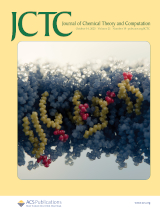
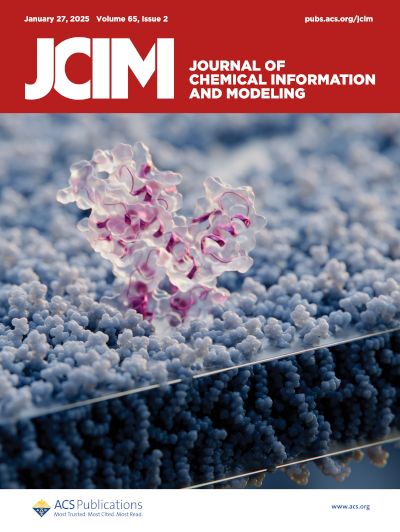
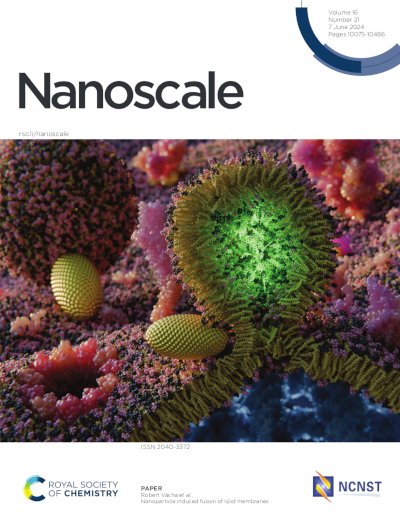
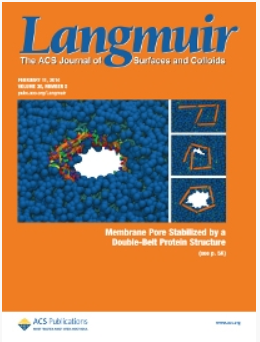
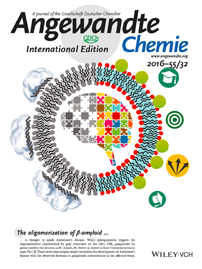
We investigate how proteins and peptides interact with cellular membranes, with a focus on membrane remodeling, molecular recognition, and self-organization at lipid interfaces. By examining the interplay between lipid composition, membrane curvature, and protein or peptide properties, we aim to understand how membranes influence biomolecular function and how membrane-active molecules reshape membrane structure and dynamics. Our work includes the de novo design and mechanistic study of antimicrobial, fusogenic, curvature-sensing, and curvature-modulating peptides. Learn more about this research HERE.
Protein-Protein Interactions
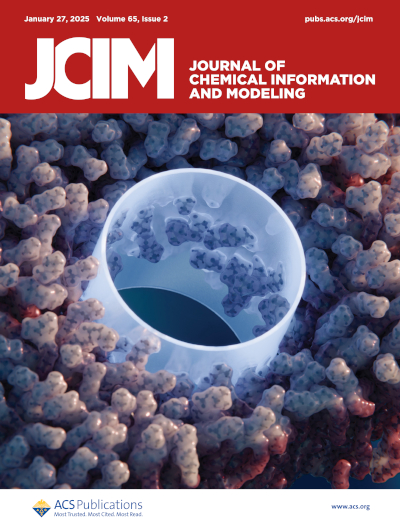
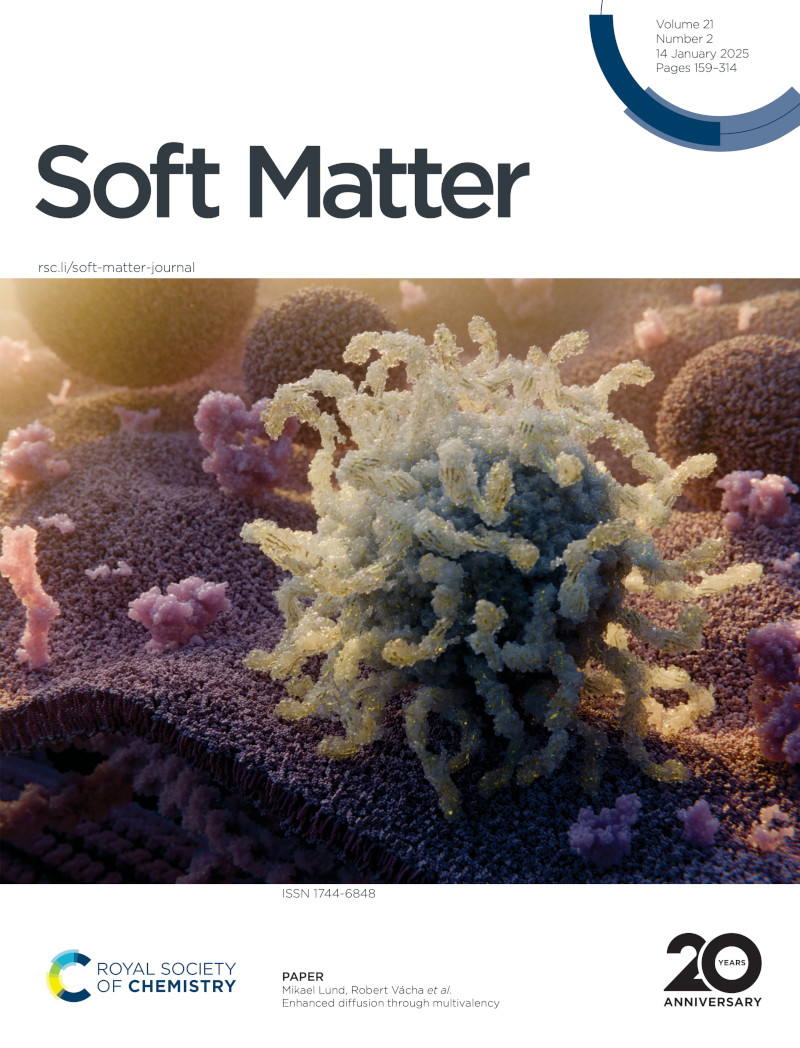
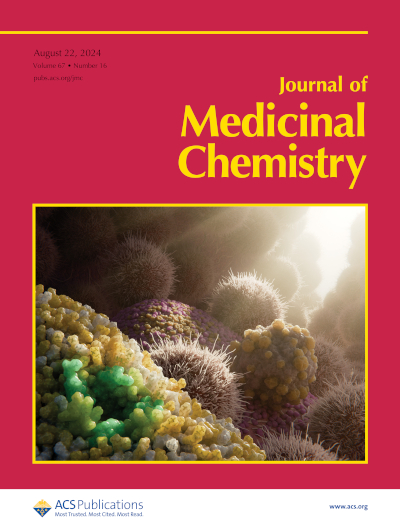
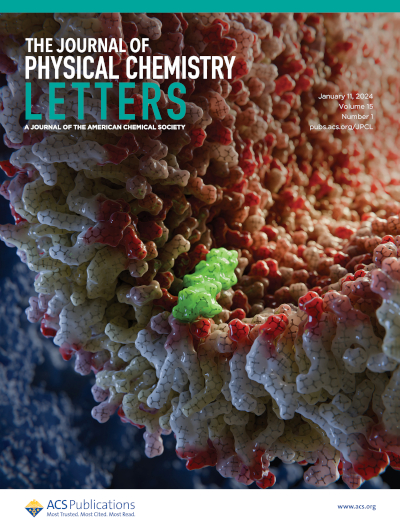
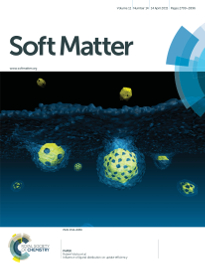
Our research also explores protein–protein interactions, focusing on biomolecular condensates and viral capsid organization. We investigate the molecular properties and environmental conditions that promote liquid–liquid phase separation, leading to the formation of dynamic condensates and membraneless organelles involved in cellular signaling and regulation. In parallel, we study how viral proteins assemble into capsids and control genome release, providing insight into viral stability, infectivity, and potential antiviral strategies. Learn more about this research HERE.
Multidisciplinary Approach and Facilities
To address these questions, we use a multidisciplinary approach that integrates molecular simulations, theoretical modeling, and experimental validation. We develop and apply novel multiscale computational models to explain and predict complex behavior in biomolecular systems. Our fully equipped laboratory enables a wide range of biophysical assays and safe work with BSL-2 pathogens, supported by dedicated laboratory staff. We also benefit from access to the CEITEC Core Facilities, which provide specialized instrumentation, services, training, and expertise across multiple scientific domains. Learn more about Core Facilities HERE.
|
|
|
|
|
|
|
|

|
|
|

|
|
|
|
|







|